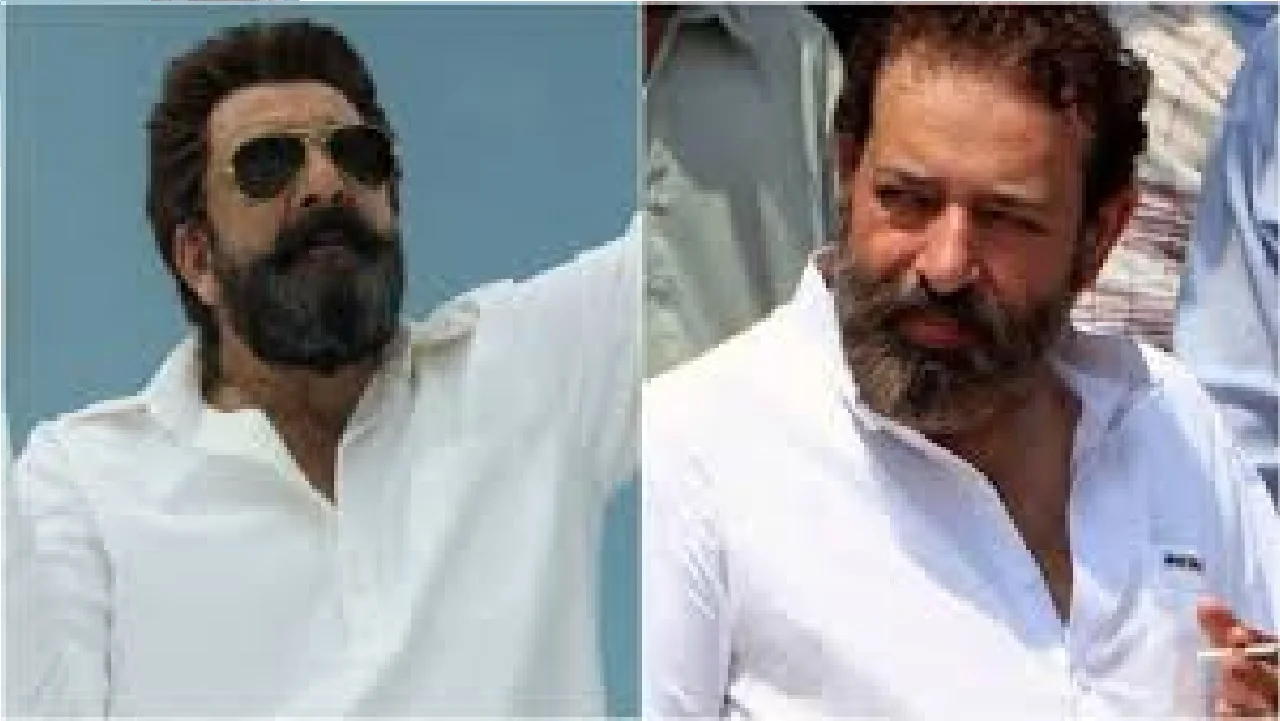
The geopolitical landscape of the Middle East shifted again this week as the United States Treasury Department took the rare and aggressive step of sanctioning a high-ranking member of the Iraqi government. Basim Mohammed Khudair, Iraq’s Deputy Oil Minister for Extraction Affairs, now finds himself at the center of a diplomatic firestorm.
The move isn’t just about one man; it is a direct strike against a sophisticated, multi-billion-dollar network designed to bypass international sanctions and keep the Iranian economy afloat. For years, the “shadow economy” of oil has operated in the margins of the Persian Gulf, but this latest development signals that Washington is no longer willing to overlook the involvement of official state actors in Baghdad.
Key Takeaways:
- Direct Action: The US has sanctioned a high-ranking Iraqi official, signaling a new phase in enforcing Iran sanctions.
- The Deception: The network used “clean” Iraqi paperwork to mask the origin of Iranian oil sold on global markets.
- Terror Financing: The primary goal is to cut off the IRGC-QF’s revenue stream used for regional proxy wars.
- Iraqi Dilemma: Baghdad is caught between its dependence on the US financial system and its political/energy ties to Iran.
- Market Impact: While supply remains steady, these moves increase the geopolitical risk premium in the energy sector.
The Hammer Drops: Who is Basim Mohammed Khudair?
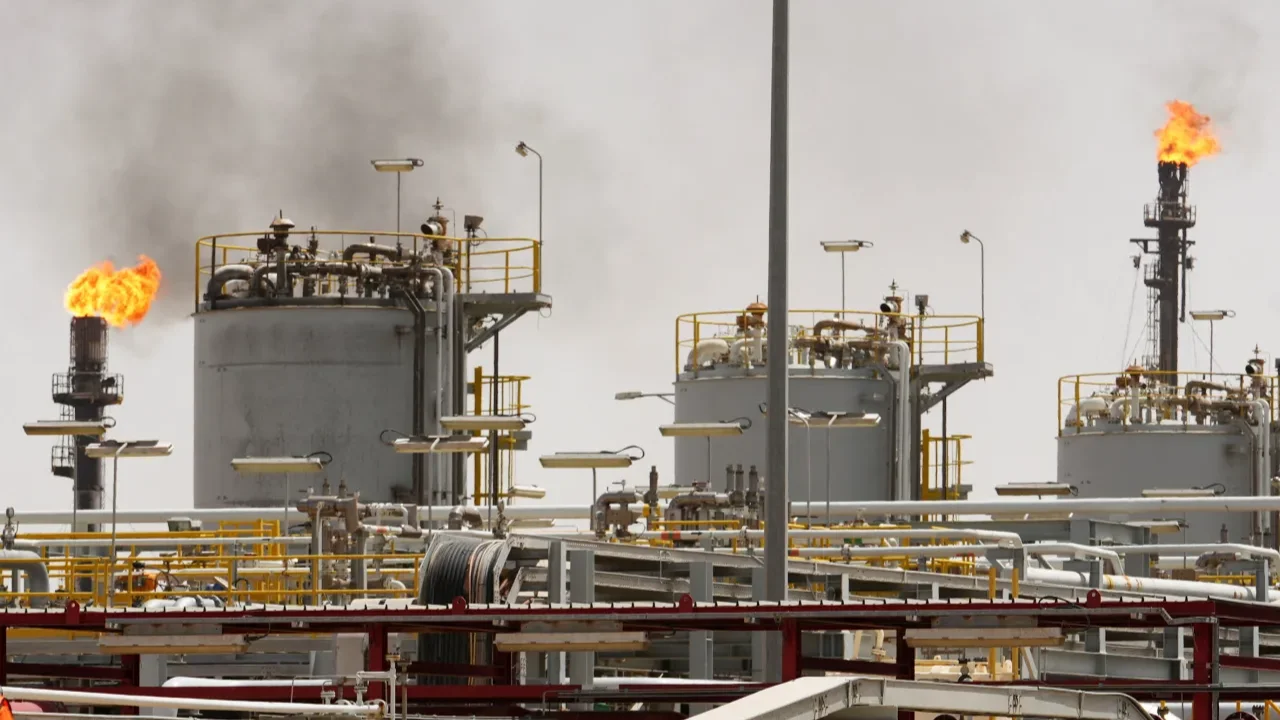
Basim Mohammed Khudair is not a minor bureaucrat. As the person overseeing the extraction side of Iraq’s oil industry—one of the largest in the world—he holds the keys to the country’s most valuable resource. The US Treasury alleges that Khudair used his position to facilitate the smuggling of Iranian petroleum, effectively turning Iraqi infrastructure into a laundry for illicit Iranian exports.
The allegations suggest that Khudair assisted the Islamic Revolutionary Guard Corps-Quds Force (IRGC-QF) in moving hundreds of thousands of barrels of crude. By falsifying shipping documents and mislabeling the origin of the oil, the network allowed Iranian products to be sold on the global market as “Iraqi” oil. This deception is vital for Tehran, which relies on oil revenue to fund its regional proxies and internal security apparatus.
The Mechanics of Deception: How the “Dark Fleet” Operates
To understand why this sanction is significant, one must understand how the oil actually moves. It isn’t as simple as driving a truck across a border. It is a high-stakes game of maritime hide-and-seek involving what analysts call the “Dark Fleet”—a collection of aging tankers that operate without standard insurance or transparent ownership.
The process usually follows a specific pattern:
- AIS Spoofing: Iranian tankers turn off their Automatic Identification Systems (AIS) to disappear from global tracking maps.
- Ship-to-Ship (STS) Transfers: In the middle of the night, in the deep waters of the Persian Gulf, an Iranian tanker will pull alongside an “anonymous” vessel. The oil is pumped from one to the other.
- The Paperwork Shuffle: This is where officials like Khudair come in. The receiving ship is issued documents claiming the oil was sourced from Iraqi fields. Once the oil has an Iraqi “birth certificate,” it can be sold to international buyers who would otherwise be afraid of US secondary sanctions.
By providing these “clean” documents, the Iraqi Oil Ministry—or elements within it—provided the ultimate cover for Iranian trade.
The IRGC’s Financial Lifeline
The US Treasury’s Office of Foreign Assets Control (OFAC) was explicit in its reasoning: this isn’t just about trade; it’s about terrorism financing. The IRGC-QF uses the proceeds from these sales to fund groups like Hezbollah in Lebanon, various militias in Iraq, and the Houthis in Yemen.
Estimates suggest that despite heavy sanctions, Iran managed to export over 1.5 million barrels of oil per day in early 2026, with a significant portion of that revenue flowing through these back-door channels. By targeting Khudair, the US is attempting to sever the link between the extraction experts in Baghdad and the military strategists in Tehran. It is a strategy of “precision pressure,” aimed at the individuals who make the system work rather than broad-based sanctions that punish the general population.
Baghdad’s Impossible Tightrope
For the Iraqi government under Prime Minister Mohammed Shia al-Sudani, these sanctions are a nightmare scenario. Iraq is in a unique and often agonizing position. It depends on the US for military support, access to the global banking system (specifically the US Federal Reserve, which holds Iraq’s oil revenues), and technical expertise. At the same time, it is deeply intertwined with Iran through shared borders, religious ties, and a heavy dependence on Iranian natural gas to keep its power grid running.
When the US sanctions a sitting deputy minister, it puts the Prime Minister in a corner. If Sudani removes Khudair, he risks the wrath of the powerful pro-Iran factions within his own coalition. If he keeps him, he risks further US restrictions on Iraq’s dollar auctions, which could cause the Iraqi Dinar to plummet and trigger massive civil unrest.
The Global Ripple Effect: China and Beyond
The story of sanctioned oil doesn’t end in the Gulf. The primary destination for this “laundered” oil is China. Small, independent refineries in China, often called “teapots,” are the main buyers of discounted, sanctioned crude.
Because these refineries do little business in the US and don’t rely on the dollar-clearing system, they are largely immune to Washington’s threats. However, by targeting the source of the fraudulent paperwork in Iraq, the US is trying to make the transaction more difficult and expensive for the buyers. If the “Iraqi” cover story is blown, even the most daring buyers may demand even steeper discounts or look elsewhere, further squeezing Tehran’s margins.
Why This Matters to the Average Citizen
You might wonder how a bureaucrat in Baghdad affects someone in London, New York, or Islamabad. The answer lies in market stability and the rule of law.
- Oil Price Volatility: When the US cracks down on smuggling routes, it can lead to temporary supply jitters. While the world is currently well-supplied, any move that threatens the flow of oil from the Middle East causes traders to price in a “risk premium,” which can eventually show up at the gas pump.
- Global Security: The revenue generated by this smuggled oil directly funds regional conflicts. More money for proxies often translates to more instability, which drives migration patterns, impacts global shipping lanes (like the Red Sea), and necessitates higher military spending globally.
- Financial Integrity: This case highlights the vulnerabilities in the global financial system. If a high-ranking government official can be co-opted into a smuggling ring, it raises questions about the integrity of international trade documents and the effectiveness of global banking oversight.
The “Zero Slang” Reality: Moving Beyond the Buzzwords
While some might describe this as a “pivotal moment” or a “complex web of intrigue,” the reality is much more transactional. This is about money and the power it buys. The US is using the only tool it has left short of military action: the power of the dollar. By locking Khudair out of the global financial system, they have effectively made him “radioactive” to any bank or company that wants to do business in the West.
This isn’t a “comprehensive solution” to the Iran problem; it is a tactical strike. It is a game of “Whac-A-Mole” where the US knocks down one facilitator, only for another to emerge in a different ministry or a different country.
What Happens Next?
The immediate fallout will be felt in the Iraqi parliament. We can expect fiery rhetoric from pro-Iran blocs calling these sanctions a violation of Iraqi sovereignty. There may even be calls to expel US advisors or limit the activities of American oil companies operating in the southern fields.
However, the quiet reality is that Iraq cannot afford a total break with the United States. The Iraqi economy is tethered to the US dollar. If the Treasury Department decides to restrict Iraq’s access to its own oil wealth held in New York, the country would face an immediate liquidity crisis.
In the coming weeks, look for:
- An Internal Investigation: Baghdad will likely announce a “committee” to look into the allegations, a standard move to buy time.
- Increased Oversight: The US may demand even stricter monitoring of Iraqi oil terminals and tankers as a condition for continued financial cooperation.
- A Shift in Smuggling Routes: As the Iraq route becomes “hot,” the IRGC will likely shift more volume toward other neighboring countries or rely more heavily on mid-sea transfers in the Indian Ocean.
Final Thoughts
The sanctioning of Basim Mohammed Khudair is a clear message from Washington to the world: the “business as usual” approach to Iranian oil smuggling is over. By targeting the bureaucratic heart of the Iraqi oil industry, the US is attempting to dismantle the infrastructure of evasion.
For the people of Iraq, it is a reminder of the high cost of corruption and the dangers of being caught in the middle of a cold war between two global powers. For the rest of the world, it is a window into the secretive and dangerous world of the “dark fleet”—a world where a single signature from a deputy minister can move millions of dollars and change the course of regional politics.
The era of looking the other way is ending. The question now is whether Baghdad can—or will—clean up its own house before the next round of sanctions hits even closer to home.