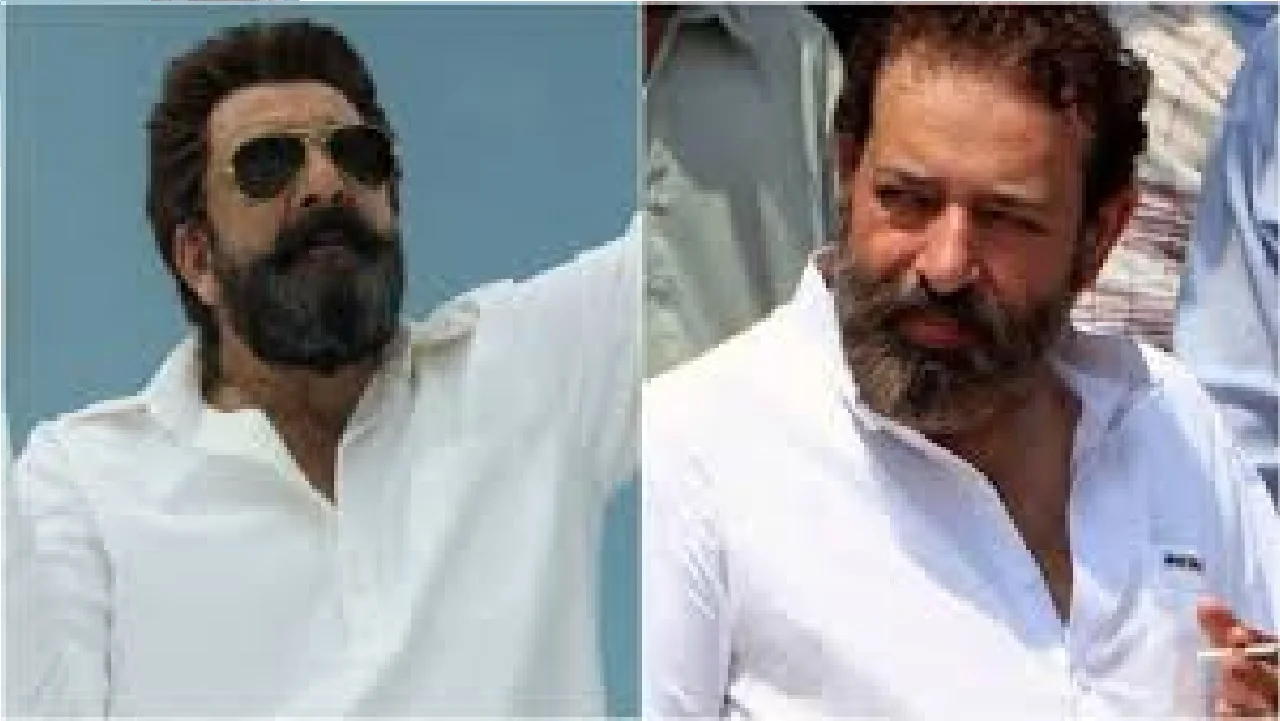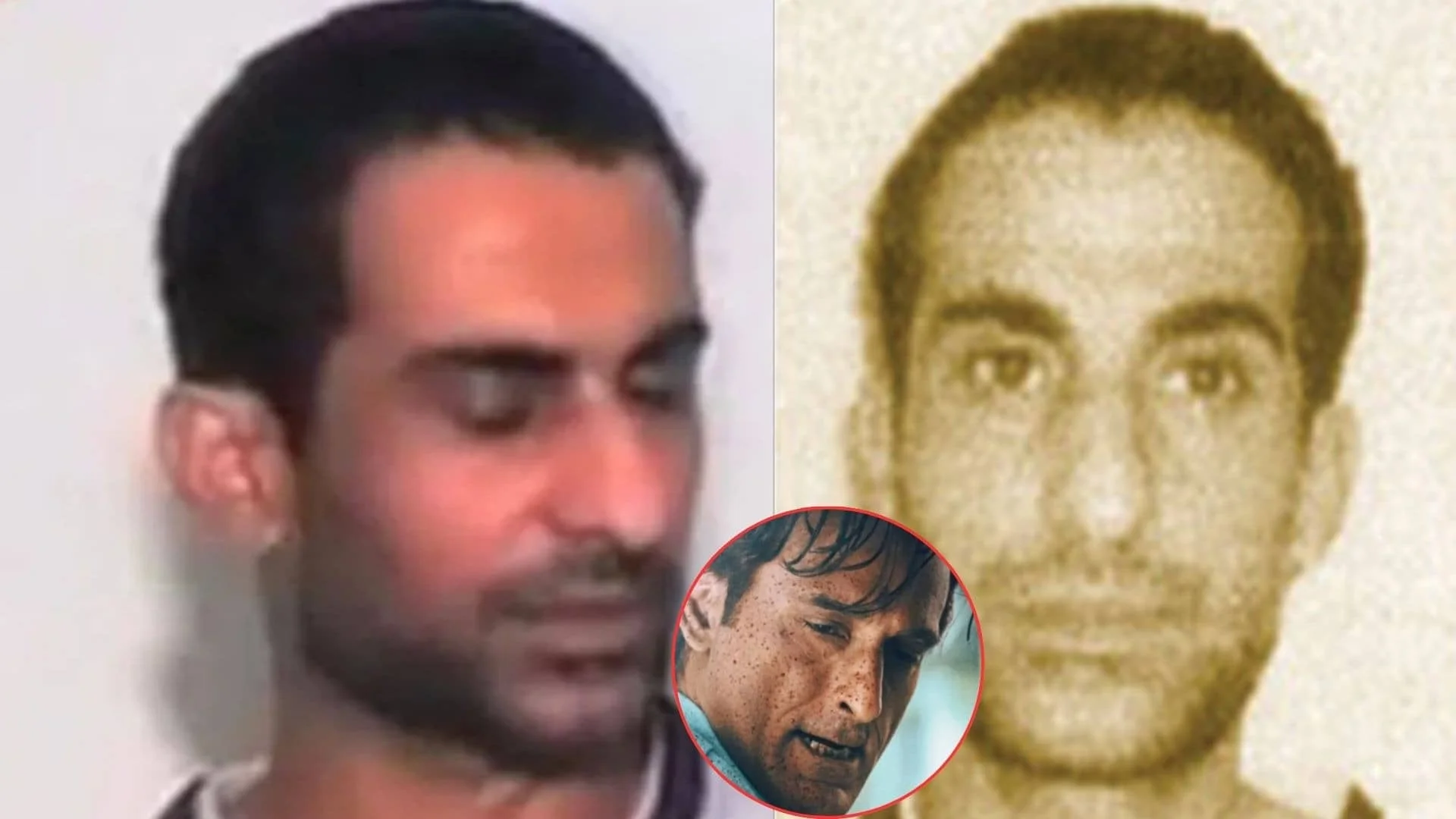
Who was Rahman Dakait (AbdulRehman Baloch) ?
Rehman Dakait, real name Abdul Rehman Baloch, was one of the most powerful and controversial gang leaders in Karachi’s criminal history. He became a central figure in the Lyari gang war, a violent conflict involving organized crime groups, political influence, drug networks, and territorial control in Pakistan’s largest city. His rise from Lyari’s streets to becoming an underworld commander made him both feared and influential until his death in a police encounter in 2009.
Early Life, Family Background and Lyari Roots
Rehman Dakait was born in Lyari, Karachi, in the mid-1970s, into a Baloch family. Lyari is one of Karachi’s oldest settlements and has historically been known for strong community identity but also poverty, unemployment, and lack of infrastructure.
His father is reported in local accounts as a working-class resident of Lyari, but detailed verified public records about his family structure remain limited. Rehman grew up in a densely populated environment where street gangs, political activism, and informal power structures were already active.
Information about his wife and children is not officially confirmed in reliable public records, though some local claims and reports suggest he had family ties in Lyari. However, exact details about his wife and son remain undocumented in credible legal or journalistic sources.
Table of Contents
Entry Into Crime and Early Criminal Network
Rehman Dakait’s involvement in crime began at a young age. Growing up in Lyari exposed him to gang culture, drug networks, and street-level violence. He gradually entered small criminal activities such as street crime and later moved into organized gang operations.
He initially joined local Lyari-based gangs involved in:
Drug trafficking networks
Street extortion systems
Illegal arms trade
Small-scale robberies
Over time, he built influence through loyalty networks and violent enforcement, gaining recognition within Lyari’s underground structures.
Rise of Rehman Dakait in Lyari Gang War
The Lyari gang war was one of Karachi’s longest and most violent urban conflicts. It involved rival gangs fighting for control over territory and illegal revenue streams.
Rehman Dakait became one of the key leaders during this period. He broke away from earlier associations and formed his own powerful faction. His influence expanded across Lyari and later extended into other areas of Karachi including Korangi and Malir.
His group was involved in large-scale criminal operations including:
Drug trafficking routes and distribution networks
Kidnapping for ransom cases
Extortion and “protection” collection systems
Armed territorial conflicts
Illegal weapons supply chains
He became one of the most influential gang commanders in Karachi during the mid-2000s.
Weapons Network and Criminal Operations
Rehman Dakait’s group was widely reported to have access to illegal weapons including:
Automatic rifles and pistols
Smuggled firearms from underground networks
Locally modified weapons used in gang warfare
These weapons were used in frequent clashes between rival Lyari gangs, making the region highly unstable during that time. His organization operated with structured cells, each handling different criminal operations such as enforcement, logistics, and revenue collection.
Political Links and Peoples Aman Committee (PAC)
In 2008, Rehman Dakait became associated with the Peoples Aman Committee (PAC), a Lyari-based group that claimed to work for peace and community protection.
The PAC was presented as a peace movement but was widely accused by law enforcement and media sources of being a political shield for gang networks in Lyari. It reportedly had indirect political connections within Karachi’s political landscape, particularly linked to local power structures in Sindh.
During this phase, Rehman Dakait was no longer seen only as a gangster but also as a local power broker with political influence in Lyari.
Criminal Cases, Murders and Allegations
Rehman Dakait was linked to numerous criminal cases during his lifetime. Law enforcement agencies registered multiple FIRs against him involving:
Murder and targeted killings
Kidnapping for ransom
Armed robberies (dacoity)
Drug trafficking operations
Extortion networks
Illegal weapons possession
He was considered one of Karachi’s most wanted individuals during the peak of Lyari gang violence.
However, exact conviction records are limited, as many cases remained under investigation or were never fully adjudicated due to his death.
Lyari Gang War and Rivalries
The Lyari gang war involved multiple factions competing for control. Rehman Dakait’s major rival groups included factions led by Arshad Pappu and other Lyari-based gangs.
These rivalries led to:
Frequent street battles in Lyari
Target killings across Karachi
Control struggles over drug routes
Kidnapping wars between gangs
The conflict turned Lyari into one of the most dangerous urban conflict zones in Pakistan during that period.
Relationship With Uzair Baloch
After Rehman Dakait’s death in 2009, leadership influence in Lyari shifted significantly.
Uzair Baloch, a relative and close associate within Lyari’s network, later emerged as one of the most powerful figures in the region. He became associated with the Peoples Aman Committee and was widely reported to have taken over parts of Rehman Dakait’s former network.
Uzair Baloch was later arrested and faced serious charges including murder, kidnapping, and other organized crime allegations. His rise is often directly linked to the power vacuum left after Rehman Dakait’s death.
Public Image and Controversial Legacy
Rehman Dakait’s public image remains deeply divided.
In Lyari, some viewed him as:
A protector of local communities
A provider of financial support in poor neighborhoods
A figure who resisted rival gang dominance
However, law enforcement and critics describe him as:
A violent gang leader
A central figure in organized crime networks
A major contributor to Karachi’s gang violence
His legacy reflects the complex relationship between crime, poverty, and political influence in urban Karachi.
Arrests, Encounters and Law Enforcement Operations
Rehman Dakait was arrested multiple times during his criminal career. However, reports suggest he managed to escape custody on at least one occasion, increasing his notoriety.
Police conducted multiple operations against his network, especially as Karachi’s gang violence escalated in the late 2000s. Special task forces were formed to dismantle Lyari-based criminal organizations.
Death of Rehman Dakait (2009 Police Encounter)
On 9 August 2009, Rehman Dakait was killed during a police operation in Karachi. According to official reports, he was involved in an armed encounter with police forces and sustained fatal injuries.
He was later taken to hospital where he was declared dead.
His death remains controversial, with debates over whether it was a legitimate encounter or an extrajudicial killing. Following his death, large numbers of supporters attended his funeral in Lyari.
Aftermath and Impact on Karachi
Lyari’s gang structure shifted to new leadership under Uzair Baloch and others
Gang violence in Karachi continued for years
Law enforcement intensified operations in Lyari
Political and criminal networks were further exposed
Despite his death, the Lyari gang war continued in different forms, showing the deep-rooted nature of organized crime in the region.
Conclusion
Rehman Dakait remains one of the most controversial figures in Karachi’s modern history. His life represents the intersection of poverty, organized crime, political influence, and urban conflict. From his early life in Lyari to becoming a powerful gang leader and eventual death in a police encounter, his story continues to be analyzed in discussions about Karachi’s criminal and political landscape.